Key Takeaways
- Prioritise Design for Manufacturability (DFM) during the first fortnight to avoid costly mid-cycle revisions.
- Integrate professional CNC machining services early to produce high-fidelity prototypes that mirror final production quality.
- Utilise a structured material selection matrix to ensure structural integrity while maintaining a 90-day speed-to-market goal.
Bringing a physical product from a digital sketch to a functional reality often feels like a marathon, yet market demands frequently require the pace of a sprint. Successful developers understand that the secret to speed lies in reducing the friction between a finished design and the physical creation of its components. Many projects find their momentum when they engage professional CNC machining services to handle complex geometries that would otherwise stall a standard assembly line. By focusing on precision and material integrity from the first week, you create a foundation that supports rapid scaling without sacrificing the structural quality of the final unit.
Accelerated Design and Material Validation
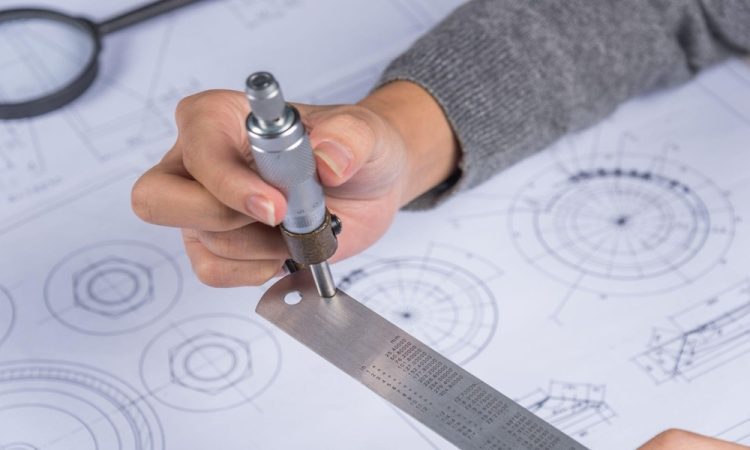
The initial month of your 90-day window is the most volatile period because minor design errors can compound into significant delays. Moving quickly requires a shift from theoretical modelling to tangible testing as early as possible to identify potential mechanical failures or assembly bottlenecks. Working with a dedicated provider for Computer Numerical Control (CNC) machining allows for the creation of high-fidelity prototypes that mirror the final product’s properties.
To stay on track, consider these essential milestones during the first 30 days:
- Week 1-2: Finalise CAD models and perform internal stress simulations.
- Week 3: Submit designs for professional CNC machining services to create functional “A-grade” samples.
- Week 4: Conduct physical stress tests and iterate on assembly tolerances.
Strategic Fabrication and Component Sourcing
Efficiency is often found in delegating specialised tasks to facilities that possess the heavy machinery and technical workforce necessary for high-volume output. Once the design is locked, transitioning to custom metal fabrication ensures that structural frames, enclosures, and brackets are produced to exact specifications with minimal waste. Choosing the right material during this phase is vital for both cost and speed, as seen in the comparison below:
|
Material Type |
Machining Speed |
Durability Level |
Common Use Case |
|
Aluminium 6061 |
Very High |
Medium-High |
Enclosures and Brackets |
|
Stainless Steel |
Moderate |
Very High |
Structural Load-bearing Parts |
|
Brass/Copper High |
Medium |
Medium |
Electrical Components |
These professional services offer a level of consistency that is difficult to achieve in-house, especially when dealing with varied materials like aerospace-grade aluminium or stainless steel. By offloading these complex tasks, your internal team can stay focused on software integration and final quality checks, which keeps the entire project timeline on track.
Synchronised Assembly and Supply Chain Control
The final stretch of the 90-day cycle is usually where logistical hurdles appear, making it vital to have a clear line of sight regarding component arrivals. Managing multiple vendors can lead to fragmented timelines, so establishing a partnership with a versatile facility that offers both CNC machining services and finishing processes can save weeks of transit time. Ensuring that all parts are inspected and deburred at the source prevents the need for rework during the assembly phase.
This level of coordination acts as a safeguard against the common errors that often push a product launch past its intended deadline. To maintain this momentum, follow these logistics checks:
- Confirm lead times for surface treatments like anodising or powder coating.
- Schedule a “dry run” assembly with the first batch of fabricated parts.
- Finalise packaging and shipping routes at least 15 days before the launch date.
Conclusion
Meeting a 90-day hardware goal is less about working more hours and more about working with higher precision from the start. Success hinges on the seamless transition between a digital file and a physical part, a process made significantly easier through expert custom metal fabrication. When you remove the guesswork from the production floor and rely on established industrial processes, the path to market becomes a predictable sequence rather than a series of emergencies. Reliable manufacturing partners ensure that every component fits the first time, allowing you to deliver a professional product within your ambitious timeframe.
Contact Disk Precision Group – Thailand to discuss how precision engineering can accelerate your next hardware project.