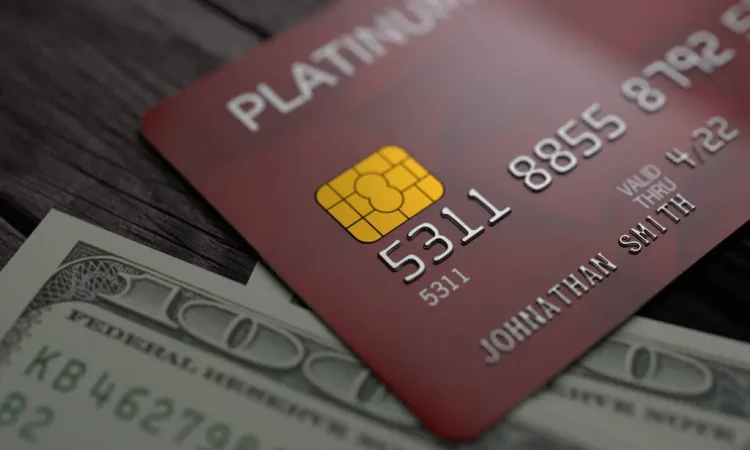
Across Jamaica, small and medium-sized businesses play a central role in the economy. From barbers and nail technicians to tour operators and Airbnb hosts, service-based businesses depend on smooth transactions to operate efficiently. However, despite global advances in digital payments, accepting card payments remains a challenge for many local businesses.
While customers increasingly expect cashless options, the tools required to support those payments are not always easily accessible. This gap continues to limit growth and create friction between businesses and their customers.
The demand for card payments is rising
Consumer behavior has changed significantly over the past decade. Tourists visiting Jamaica often rely on cards rather than cash. Local customers also expect the convenience of digital payments, especially for online bookings and advance deposits.
For businesses, the inability to accept card payments can result in:
● Lost bookings and walk-away customers
● Difficulty securing deposits
● Increased reliance on cash handling
● Limited ability to operate online
Despite this demand, many business owners still struggle to find solutions that fit their needs.
Barriers to accepting card payments
Several factors contribute to the slow adoption of card payments in Jamaica.
One major issue is complex onboarding. Some payment platforms require foreign bank accounts or lengthy approval processes that are not practical for small businesses. Others involve high fees or unclear pricing structures.
Another challenge is payout delays. When funds take days or weeks to reach a local bank account, cash flow becomes unpredictable. For small businesses operating on tight margins, this delay can be disruptive.
Finally, there is often a lack of simple tools designed for service businesses. Many existing solutions are built for retail environments rather than appointment-based services that need deposits and confirmations.
The importance of simple payment tools
To meet modern expectations, businesses need payment tools that are:
● Easy to set up
● Transparent in pricing
● Fast in delivering payouts
● Flexible enough for service-based use cases
Payment links and QR code payments are increasingly popular because they remove much of the friction associated with traditional terminals. Customers can pay using their phone, and businesses can receive confirmation instantly.
New solutions are emerging
As demand grows, new platforms are emerging to address these gaps. One such solution is HandyPay, a payment app designed to help Jamaican businesses accept card payments more easily.
HandyPay allows businesses to create payment links or QR codes that customers can pay using their card. Funds are paid out locally, helping businesses avoid complex workarounds. The platform is built with service businesses in mind, making it suitable for deposits, bookings, and remote payments.
More information is available at:
https://tryhandypay.com
HandyPay is also available on mobile platforms:
Apple App Store: https://apps.apple.com/jm/app/handypay/id6751820310
Google Play Store: https://play.google.com/store/apps/details?id=com.handypay.mobile&hl=en
Why this matters for the future
Digital payments are no longer optional. As Jamaica’s economy becomes increasingly connected to global markets, businesses that can accept card payments are better positioned to compete and grow.
Simplifying access to modern payment tools helps:
● Improve customer trust
● Reduce no-shows with deposits
● Support online and remote transactions
● Strengthen the overall business ecosystem
While challenges remain, continued innovation is making it easier for local businesses to move beyond cash and operate more efficiently in a digital-first world.