The Invisible Leak: How Micro-Inefficiencies in Industrial Energy Use Drain Corporate Capital

Key Highlights
- Micro-inefficiencies create a cumulative drain on corporate budgets.
- Real-time data provides the visibility necessary to identify power waste.
- Automated controls remove human error from energy regulation processes.
- Stabilised energy usage protects expensive industrial equipment from premature wear.
Introduction
In the modern industrial landscape, capital is often lost in ways that are quiet and entirely preventable. While facility managers focus on major operational expenditures like labour or raw materials, there exists a silent thief in the form of micro-inefficiencies in energy consumption. These are the small, often undetectable fluctuations in power usage that occur across production lines, HVAC systems, and ancillary equipment. Individually, they appear negligible, but collectively, they represent a substantial drainage on corporate resources. Addressing this issue requires shifting from outdated manual monitoring to a sophisticated approach that utilises a comprehensive energy management system to identify and rectify these invisible leaks before they affect the bottom line.
The Hidden Cost of Micro-Inefficiencies
Many organisations operate under the assumption that energy costs are fixed or strictly variable based on production output. However, this perspective overlooks the inefficiencies inherent in aging or improperly configured industrial setups. A motor running at slightly higher resistance than necessary, or a ventilation system that continues to operate during low-occupancy hours, contributes to a gradual accumulation of wasted expenditure. Because these events occur beneath the threshold of daily notice, they are rarely prioritised. Yet, over a fiscal year, the cumulative cost of these minor lapses can reach thousands of pounds, effectively subsidising waste rather than reinvesting in core growth initiatives. To combat this, businesses must treat energy consumption as a dynamic variable that can be optimised through granular observation.
The Strategic Value of Data Visibility
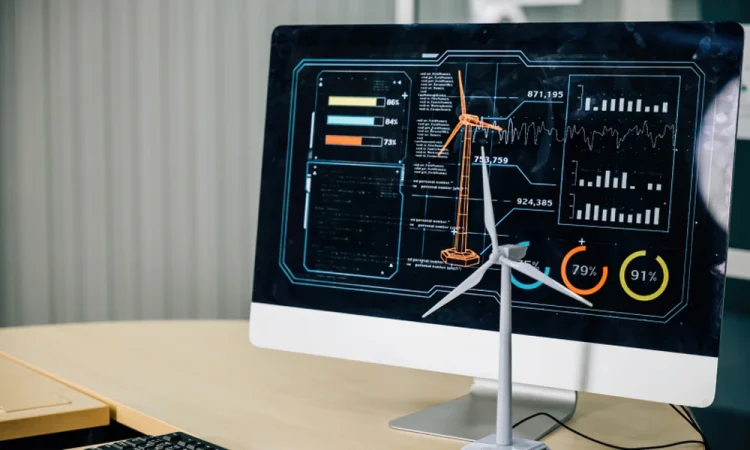
The primary obstacle to resolving energy waste is a lack of information. Without a dedicated energy monitoring and control system, management is effectively flying blind, relying on utility bills that offer only a retrospective summary of past consumption. Such data is insufficient for proactive decision-making. By implementing a robust energy monitoring and control system, firms gain access to real-time telemetry. This visibility allows teams to isolate specific machines or zones that deviate from standard efficiency baselines. When a specific pump or cooling unit begins to pull excessive current, the system alerts the maintenance team instantly. This change in operational philosophy shifts the burden from the maintenance staff to an intelligent digital architecture, ensuring that power is treated as a precious commodity rather than an ambient utility.
Enhancing Resilience Through Automation
Data collection is merely the foundational step. To truly address micro-inefficiencies, organisations must integrate an energy management system that possesses automated control capabilities. Manual intervention is prone to human error and oversight. It is unrealistic to expect personnel to constantly balance the power requirements of hundreds of devices throughout a facility. Automation allows for the creation of rigorous, programmable schedules that align energy consumption with actual operational needs. During periods of peak demand, the system can automatically adjust non-essential loads, preventing the spikes that often lead to higher tariff bands. This level of automated regulation ensures that the facility operates with maximum efficiency, regardless of external grid volatility.
Protecting Capital via Systemic Control
Beyond the immediate financial savings, the implementation of these technologies serves a vital role in protecting physical assets. Erratic power quality, characterised by voltage sags or harmonic distortions, can cause significant wear on electrical components. When machinery is subjected to these inconsistencies, the risk of mechanical failure increases, leading to costly downtime and premature replacement cycles. By smoothing out energy flow, a sophisticated control architecture extends the lifespan of industrial equipment. This longevity is an often-overlooked benefit that significantly improves the total cost of ownership for hardware. When machines run within their optimal parameters, the facility experiences fewer emergency repairs and more predictable maintenance cycles, allowing capital to be allocated toward innovation rather than crisis management.
Conclusion
The transition toward intelligent energy usage is a strategic necessity for any business aiming for long-term viability. By acknowledging that micro-inefficiencies are not just minor inconveniences but significant fiscal drains, leaders can take proactive steps to secure their operational future. Implementing a high-quality energy management system provides the clarity and control required to eliminate waste, extend the life of critical equipment, and support sustainability goals simultaneously. In an increasingly competitive global market, the ability to control and optimise one’s resource consumption is a hallmark of operational excellence. It is time for industrial leaders to stop viewing power bills as an inevitable cost and start viewing them as an opportunity for improved financial performance.
If you are ready to identify the hidden leaks in your facility and take control of your operational efficiency, contact YT Automation today to discuss your specific requirements.