Stainless Steel, Plexiglass or Alucobond? Picking the Right Material for a 3D Logo

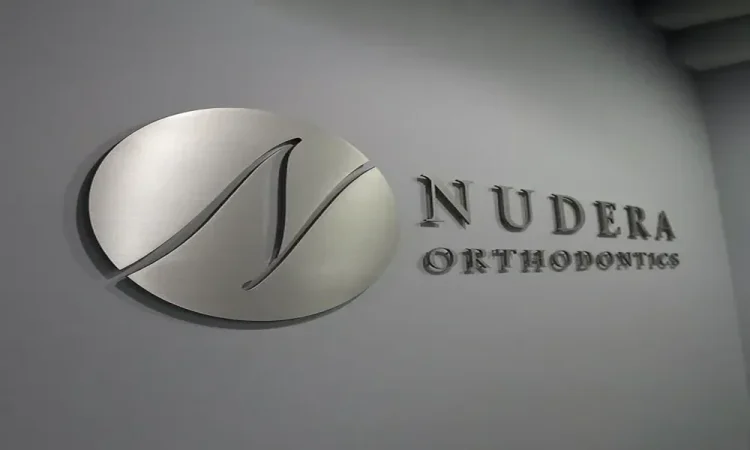
You’ve decided you want a proper 3D logo on your reception wall or your building facade. Good call, it lifts a space instantly. But then someone asks which material you want, and suddenly there’s a menu: brushed steel, polished steel, plexiglass, Alucobond, expanded PVC. If you don’t build signs for a living, that list means nothing.
Let me break it down the way I’d explain it to a friend.
Stainless steel: the premium pick
If you want a logo that whispers “this is a serious company,” steel is usually the answer. Brushed stainless has a soft, matte, expensive look. Polished stainless is mirror-bright and catches the light. Both hold up outdoors for years, shrug off weather, and age gracefully.
The catch? It’s the priciest option and it’s heavier, so the fixing and installation need to be right. This is the material you see on bank facades, corporate reception halls, car dealerships. Places where the brand can’t look cheap.
Plexiglass: light, literally
Plexiglass (acrylic, if you want the technical name) is the go-to when you want colour and glow. It comes in every shade, it’s light enough for big letters without a monster fixing system, and it pairs beautifully with LED backlighting for a logo that lights up at night.
It’s a favourite for retail, restaurants, anywhere with an interior reception that wants a bit of warmth and colour. Premium cast acrylic keeps its clarity far longer than the cheap extruded stuff, so it’s worth asking which grade you’re getting.
Alucobond: the modern flat look
Alucobond is aluminium composite. Think of it as a rigid, flat panel that gives you clean, contemporary lettering and pairs perfectly with a matching facade cladding. If your building is going for that sleek, minimal, architectural vibe, this is often the material tying the whole look together.
It’s durable, weather-friendly, and lighter than solid metal. Not as luxurious up close as brushed steel, but for a modern flat logo across a wide facade, it’s frequently the smart choice.
Expanded PVC: the budget-friendly indoor option
For interior signs where you don’t need the sign to survive a storm, expanded PVC does a solid job at a friendlier price. Easy to cut into detailed shapes, light, and perfectly fine for indoor lettering, wayfinding, or a logo in a space that won’t get rained on.
It’s not the material for an exposed facade, but for the right indoor job it makes total sense and saves you money you can spend elsewhere.
So which one?
Honestly, it depends on three things: where the logo’s going, what impression you want, and your budget. A rough guide:
- Outdoor facade, premium brand: brushed or polished stainless steel
- Backlit, colourful, glowing at night: plexiglass with LEDs
- Flat, modern, part of a facade scheme: Alucobond
- Indoor, detailed, budget-conscious: expanded PVC
The trick is that the best jobs often mix materials, steel returns with an acrylic face, for instance. That’s where talking to an actual manufacturer beats guessing off a menu. The workshop team at AdKey Signs fabricates 3D logos across all these materials and will tell you honestly which one fits your wall, your brand and your budget, instead of just upselling the most expensive option.
Pick the material to match the job, not the other way round. Get that right and the logo does exactly what you hoped: makes people take your brand seriously the second they walk in.