How Everyday Cooking Slowly Blocks Your Kitchen Drain (Long Before You Ever Notice)

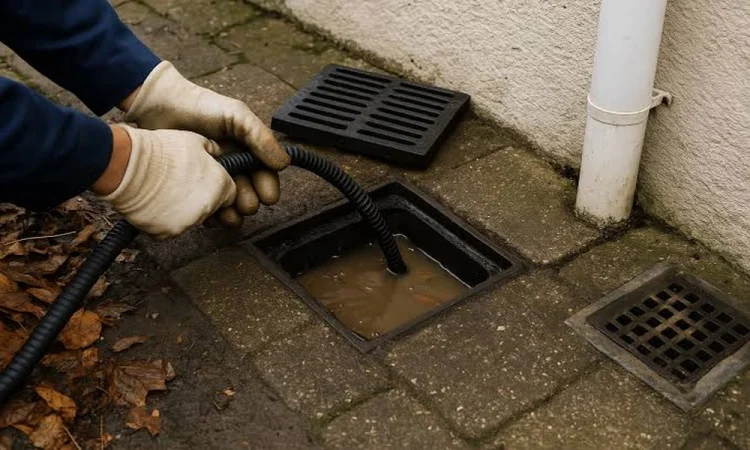
Kitchen drains rarely block in one dramatic moment. More often, they narrow quietly over months while the sink still appears to work. A little oil from a pan, small food scraps from plates, starchy water from pasta, coffee grounds, sauces and dishwashing residue all move through the drain together. They may seem harmless because they disappear. Inside the pipe, however, fats cool, cling to the walls and catch other debris. By the time water starts pooling in the sink, the blockage has often been building for a long time. When homeowners call a plumber for blocked drain issues in the kitchen, the problem is often less about one mistake and more about everyday habits repeated daily.
Why Grease Does Not Wash Away Properly
Hot water can make fats and oils look like they have dissolved, but it does not remove them from the pipe system. As the water cools, the grease begins to thicken and stick to the internal pipe wall. Detergent can break grease into smaller particles, but those particles still travel through the line and can settle further along. Over time, the pipe becomes coated. Food scraps, rice, pasta, flour, coffee grounds and eggshell fragments then stick to that coating. The drain does not need a large object to block it. It can lose capacity gradually until ordinary dishwashing water has nowhere to go quickly.
The Early Signs Most People Ignore
A grease blockage often announces itself gently. The sink drains a little slower after dinner. A faint stale smell appears near the plughole. Water may gurgle as it drains, or bubbles may rise when the dishwasher empties. These signs are easy to dismiss because the sink still works eventually. Homeowners may pour boiling water down the drain, use a supermarket cleaner or plunge it until the water drops. That can provide temporary relief, but if the pipe wall is coated with grease, the problem is still there. The next load of dishes simply adds another layer.
Why DIY Fixes Often Fall Short
Kitchen grease blockages are stubborn because they cling to the pipe rather than sitting neatly in one place. Boiling water may soften part of the build-up but can also move it further along where it cools again. Chemical cleaners can be harsh on older pipework and may not reach the full length of the blockage. Plunging can shift soft material temporarily, but it rarely scrubs the pipe wall clean. In some cases, the blockage sits beyond the kitchen trap, where household tools cannot reach properly. This is where a blocked drains plumber Sydney homeowners call can assess whether jetting, inspection or further diagnosis is needed.
When the Dishwasher Makes It Worse
Many kitchens now rely heavily on dishwashers, which send warm, greasy wastewater into the same drainage line. If plates are not scraped well before loading, food particles and fats can enter the pipe regularly. The dishwasher may also discharge quickly, pushing water into a drain that is already partly narrowed. That can cause water to rise in the sink or leave unpleasant smells after a cycle. The appliance is not usually the cause by itself. It is the combination of grease, scraps and a line that has been slowly losing capacity.
What a Plumber Looks For
A professional inspection starts by working out whether the blockage is local to the sink, further down the kitchen line or connected to a larger drainage issue. The plumber may check the trap, pipe fall, discharge from the dishwasher, signs of poor installation and whether other fixtures are affected. If the blockage is heavy or recurring, high-pressure water jetting may be used to clear the build-up more thoroughly than a plunger or hand tool. Where there is a history of repeated kitchen drain issues, a camera inspection can show whether the pipe has rough joints, sagging sections or damage that catches grease and debris.
Kitchen Habits That Make a Difference
The best prevention is simple but consistent. Wipe greasy pans with paper towel before washing, scrape plates into the bin, keep coffee grounds out of the sink, and avoid rinsing cooking oils down the drain. Use a sink strainer to catch food scraps, especially rice, pasta and vegetable peel. Run enough water after using the sink so small particles do not sit in the line. If the drain begins to smell or slow down repeatedly, do not keep relying on stronger cleaners. A recurring kitchen blockage suggests there is already a build-up or another condition helping debris collect.
Why Older Kitchen Pipework Catches Build-Up Faster
Older kitchen drainage can make grease problems worse. Rough internal pipe surfaces, poorly aligned joints, shallow gradients and previous repairs create places where fats and scraps can settle. In terraces, apartments and older Sydney homes, kitchen lines may also run a long way before joining the main drain, giving warm greasy water more time to cool. A modern sink and dishwasher can therefore be connected to a pipe that was never designed for today’s cooking and cleaning habits. That mismatch is a common reason a kitchen drain blocks again after a quick clear.
Conclusion
A kitchen drain blockage is usually the result of slow accumulation rather than sudden bad luck. Everyday cooking habits can coat the pipe, narrow the line and leave homeowners dealing with smells, gurgling and slow drainage long before the sink fully blocks. With better disposal habits and early attention to warning signs, many kitchen drain problems can be avoided. If the same sink keeps slowing or backing up, a plumber for blocked drain issues can clear the line properly and check whether there is a deeper reason the build-up keeps returning.