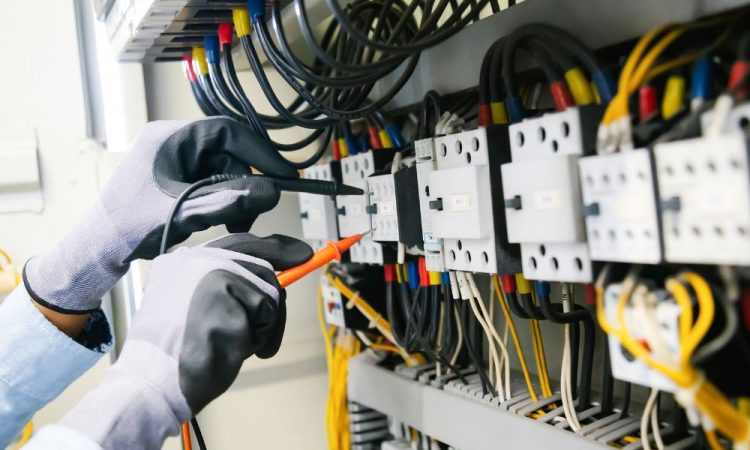
Understanding the Basics of PAT Testing
Portable Appliance Testing, or PAT testing, is a simple way to check if electrical items are safe to use. It includes looking at wires, plugs, and the appliance itself to find any damage. Sometimes, special tools are used to test the inside condition as well. These checks are important because electrical faults can happen without warning. Items like chargers, kitchen appliances, and office equipment are used daily, so keeping them safe is very important. PAT testing helps reduce risks and ensures that people can use electrical devices without fear of accidents or harm.
Is PAT Testing a Legal Requirement in Reality
A very common question people ask is, is pat testing a legal requirement, and the truth is often misunderstood. There is no direct law that says PAT testing must be carried out in every situation. However, laws do require that all electrical equipment must be safe for use. This puts responsibility on employers, landlords, and business owners. PAT testing is one of the easiest ways to show that safety checks are being done properly. So, while it is not strictly required by name, it is strongly linked to legal safety duties and is widely followed.
The Role of Employers and Property Owners
Employers and property owners have a duty to make sure that the environment they provide is safe. This includes ensuring that all electrical appliances are in good condition. If something goes wrong and causes harm, they may be held responsible if proper checks were not carried out. PAT testing helps them prove that they have taken steps to prevent risks. It also creates a record of safety checks, which can be useful in case of inspections or accidents. Taking this responsibility seriously helps build trust and keeps everyone protected.
How Often Should PAT Testing Be Done
There is no fixed rule for how often PAT testing should be done. The frequency depends on how and where the equipment is used. For example, tools used in rough environments like construction sites may need more regular checks. On the other hand, office equipment used carefully may not need testing as often. Regular visual checks should also be done by users to spot any visible damage. A flexible approach works best, where testing is based on risk and usage rather than following a strict schedule for every item.
Benefits of Following PAT Testing Practices
Even though it may not always be legally required, PAT testing offers many benefits. It helps prevent accidents, which can save lives and avoid serious injuries. It also protects businesses from financial loss caused by damaged equipment or legal claims. Regular testing improves the lifespan of appliances because issues are found early. Employees feel safer when they know proper checks are being done. In simple terms, PAT testing is a small effort that brings big advantages for both safety and peace of mind.
Common Mistakes People Make About PAT Testing
Many people believe that PAT testing is only needed for large companies, but this is not true. Small businesses, landlords, and even home offices can benefit from it. Another mistake is thinking that new appliances do not need checking. Damage can happen at any time, even during transport or regular use. Some also rely only on testing and ignore basic care, which is equally important. Understanding these common mistakes helps people take a more balanced and effective approach to electrical safety.
Conclusion
PAT testing is a practical and helpful way to ensure electrical safety in everyday life. While it may not be clearly written as a legal requirement, it supports the rules that demand safe use of electrical equipment. By carrying out regular checks and maintaining appliances properly, risks can be reduced greatly. Employers, landlords, and individuals all share the responsibility of keeping environments safe. In the end, PAT testing is not just about rules—it is about protecting people, preventing accidents, and creating a safe space where everyone can work and live with confidence.