Ethics in Every Line: How Sabeer Nelli Leads Zil Money with Principle-Driven Decision Making

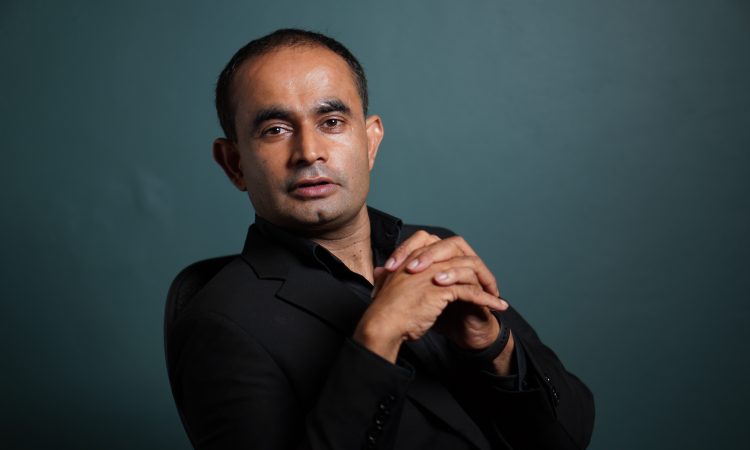
In the race to dominate fintech, many founders focus on speed, scale, and disruption. But Sabeer Nelli, founder and CEO of Zil Money, leads with something far rarer: ethics.
At Zil Money, principles aren’t an afterthought or a PR angle. They’re embedded into the business—shaping how features are built, how data is handled, how customers are supported, and how decisions are made.
For Sabeer, the goal has never been just to build a successful platform. The goal has always been to build a responsible one.
This article explores how ethical leadership has become a foundational strength for Zil Money—and why it’s a competitive advantage in a trust-starved fintech world.
A Foundation of Respect
Before he was a tech founder, Sabeer Nelli was running gas stations—where trust was earned daily, in person, and often under pressure. That background taught him one thing clearly:
“You don’t get loyalty unless you earn it. And you earn it by showing up right, every single time.”
That mindset now defines how Zil Money treats its users.
The company doesn’t take shortcuts. It doesn’t hide fees. It doesn’t obscure terms in fine print. Instead, it offers:
- Clear pricing with no hidden conditions
- Real human support that actually solves problems
- Ethical safeguards built into platform design
For Sabeer, this isn’t about marketing. It’s about doing what’s right—even when no one’s watching.
Privacy as a Promise, Not a Checkbox
Many fintech platforms treat privacy as a compliance obligation. Zil Money treats it as a promise.
Sabeer has invested heavily in safeguarding user data—not because the law demands it, but because users deserve it.
The platform is built to exceed industry standards:
- End-to-end encryption of sensitive data
- Strict internal access controls to prevent misuse
- Regular third-party audits for transparency
- Zero data resale or third-party ad tracking
This privacy-first posture is built into company culture. Every engineer, product manager, and marketer is trained to treat user data like personal property.
Because to Sabeer, it is.
No Gimmicks, No Manipulation
In a digital world filled with growth hacks and dark patterns, Zil Money stands apart for what it doesn’t do.
- It doesn’t use urgency countdowns to pressure signups
- It doesn’t auto-opt users into complex billing plans
- It doesn’t bury cancellation buttons or make support hard to reach
Instead, every screen is designed for clarity, not conversion.
Sabeer believes that when you build for trust, you don’t need to manipulate behavior. Customers stay because they want to, not because they’re tricked into it.
Compliance as a Moral Standard
Zil Money holds a long list of certifications—SOC 1 & 2, PCI DSS, HIPAA, ISO 27001, and more. But for Sabeer, compliance isn’t just about staying legal. It’s about staying worthy of user trust.
“You don’t meet standards to pass audits. You meet them to protect people.”
That mindset drives the company to go above and beyond legal requirements. It audits not only its systems, but its partnerships. It holds vendors accountable to the same standards. And it builds with the future of regulation in mind, not just the present.
This long-term view gives Zil Money a powerful edge—especially as global compliance becomes more complex and critical.
Transparency That Builds Confidence
Ethical fintech must be understandable. That’s why Zil Money takes extra steps to make its operations transparent:
- Users see real-time updates on payments and processing
- Pricing pages explain what each feature costs—and why
- Security certifications are explained in plain language
- Support tickets are answered quickly, honestly, and with context
This transparency builds not only user satisfaction—it builds confidence. And that confidence turns users into long-term partners.
Sabeer’s view is simple: when you hide less, you earn more. More trust. More goodwill. More referrals.
Ethics in Product Design
Ethics don’t just live in company policies. They live in every product decision.
At Zil Money, ethical design means:
- Avoiding unnecessary complexity that traps users in mistakes
- Providing easy reversals and corrections (voiding checks, cancelling payments)
- Allowing full user control over data access and permissions
- Creating inclusive, accessible interfaces for all levels of digital literacy
These aren’t just usability wins. They’re moral commitments—to empower users, not confuse or control them.
Setting the Tone as a Leader
Ethical companies start with ethical leadership. And Sabeer leads by example.
- He responds to user complaints personally when needed
- He redirects credit to his teams publicly and often
- He pushes back against shortcuts, even when they promise faster growth
Internally, he fosters a culture of honest dialogue. Team members are encouraged to raise concerns, challenge decisions, and share ethical dilemmas.
Sabeer doesn’t pretend to have all the answers—but he does insist on asking the right questions.
“If we can’t explain why we’re doing something with a straight face, we don’t do it.”
Why Ethics Are Good Business
In an industry plagued by breaches, fraud, and opaque practices, ethical leadership has become a business advantage.
Zil Money’s commitment to principle has earned:
- Higher retention rates from customers who trust the platform
- More referrals from businesses seeking reliable tools
- Easier partnerships with banks and vendors who value compliance
Trust is hard to earn—and easy to lose. Sabeer knows that every ethical decision made today lays the foundation for long-term success.
Lessons for Founders and Operators
Sabeer Nelli’s ethical leadership offers a model for any entrepreneur navigating growth in sensitive industries:
✅ Lead with transparency
Say what you do. Show how you do it. Invite scrutiny.
✅ Build trust into your product
Design screens, flows, and policies that respect your users’ time and data.
✅ Set standards higher than regulation
Don’t wait to be told what’s right. Build what’s right from day one.
✅ Make ethics part of your culture
Train teams to think not just about features—but about impacts.
Final Thought: What You Build Is Who You Are
At the end of the day, a company’s ethics are written into its code, its contracts, and its customer relationships.
Sabeer Nelli hasn’t just built software. He’s built a platform users trust with their money, their data, and their peace of mind.
That trust doesn’t come from features alone. It comes from a quiet, consistent commitment to doing the right thing—even when it’s slower, harder, or more expensive.
In fintech, that kind of leadership isn’t just refreshing. It’s necessary.
Because the future of finance won’t just belong to the fastest or the flashiest.
It will belong to those who are worthy of trust.